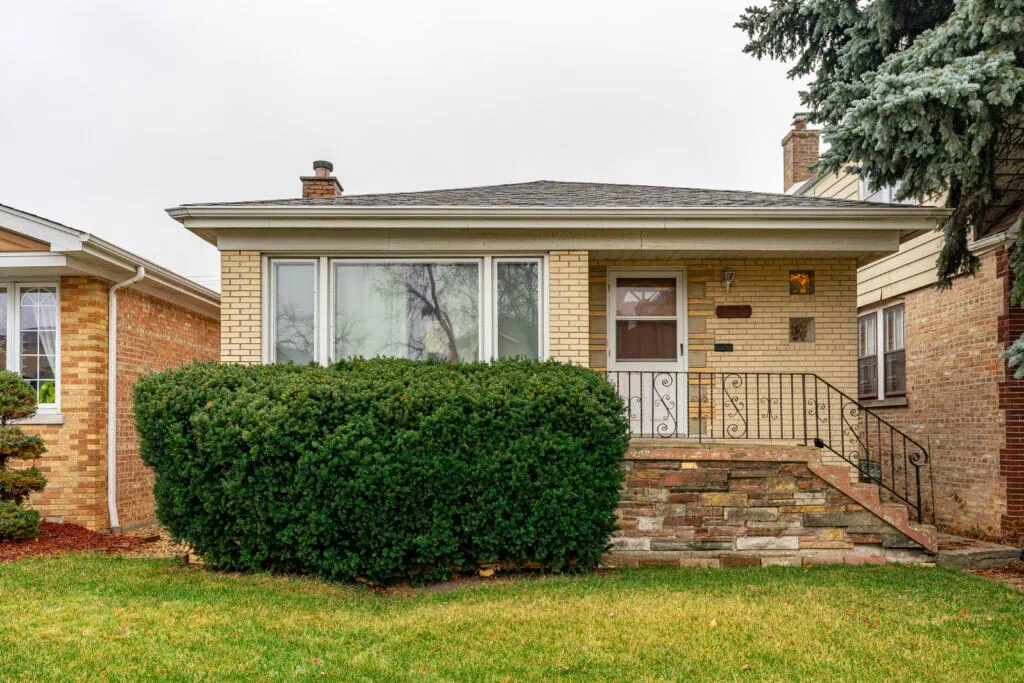
Somewhere in the 1970s, somebody finished the basement. Put in a kitchenette, a bathroom, a separate entrance off the gangway. It has been rented ever since, or grandma lived down there, or the kids did after college.
Nobody pulled a permit. Nobody thought they needed to.
The building is a legal two-flat on paper and a three-unit building in practice, and the first time that becomes a problem is the day you try to sell.
Where it surfaces
Not at the inspection. At the zoning certificate.
Chicago will not issue transfer tax stamps without a certificate of zoning compliance, and you cannot record the deed without the stamps. Under Municipal Code 3-33-045, the certificate is required before stamps are issued, and it applies to one-family dwellings, two-family dwellings and multifamily buildings with five or fewer units.
What the certificate does is compare the unit count the city has on record against what is actually in the building. A legal two-flat with a finished, occupied garden unit does not match, and the sale stops there until it does.
We laid out all three city clearances in the three clearances that decide your Chicago closing date. This is the one that most often turns a four-week closing into a four-month one.
The three other places it bites
The appraisal. An appraiser values legal units. If the city says two and you are collecting rent on three, the income from the third does not count toward value, and on a small multifamily that can move the number meaningfully.
The lender. Financed buyers need the property to be what the documents say it is. An undisclosed extra unit is the kind of thing that stops an underwriter cold, particularly on a loan product with occupancy requirements.
The tenant. If somebody lives down there, you now have a person attached to the problem. Chicago has substantial tenant protections and they do not evaporate because the unit was never permitted. We wrote about that side of things in selling a Chicago two-flat with tenants in place.
Why this is so common here
Chicago’s housing stock was built for a denser city than the zoning code later allowed. Coach houses behind the main building, English basements with their own entrances, attic conversions. Many were legal when built and became non-conforming when the code changed. Many others were simply added without asking.
The city has moved toward allowing more of this. The Additional Dwelling Unit ordinance created a legal path for conversion units and coach houses, and that path has been expanding. Whether your specific unit can take it depends on your zoning district, your lot, the ceiling height, the egress, and a list of other things only a zoning attorney or an expediter can tell you after looking.
The honest summary is that a path exists and it is not fast.
Your four options, honestly
Legalize it. Permit the unit properly, bring it to code, get the records corrected. This is the best outcome and usually the slowest. Egress windows, ceiling height and fire separation are the common sticking points, and ceiling height in particular is not negotiable with a checkbook.
De-convert it. Remove the kitchen, convert the space back to part of the main unit, and sell matching the record. Cheaper and faster than legalizing. You also give up the rental income permanently, and if the income is why the building is worth what it is worth, you are selling a different asset.
Disclose it and sell to a buyer who understands. This narrows your pool sharply to investors, and most of them will price in the full cost of whichever path above they expect to take.
Sell as-is to a cash buyer who deals with this regularly. We take the building with the unit count exactly as it stands and handle the city side ourselves after closing.
What does not work is hoping nobody notices. The zoning certificate is not optional and the city is the one checking.
Where a cash sale fits
The reason sellers in this situation call us is rarely the price. It is that every other route asks them to finish a municipal project before they are allowed to leave.
With a cash purchase there is no appraisal that has to count the units, no lender whose underwriter has to be satisfied, and no financed buyer running out of patience while you chase an expediter. You do not legalize anything, de-convert anything, or remove a kitchen.
If there is a tenant in the unit, we buy with them in place rather than asking you to deliver it vacant. That matters, because the alternative is you managing a displacement you did not want to manage.
Two Rivers Properties has handled hundreds of properties across Chicago and the collar counties, and non-conforming units are one of the most common things we see on the South and Northwest Sides. We make a cash offer within 24 hours, close in as little as 7 to 14 days once title clears, and cover the closing costs. Our how it works page runs through it, and our about page tells you who you would be dealing with.
What to have ready
The address and what the building actually contains, floor by floor. What you believe the city has on record. Whether the extra unit has its own entrance, kitchen and bath. Whether anyone lives in it, and on what terms. Whether there is any permit history, an open violation, or a building court case.
If you are not sure what the city has on record, say so. That is the normal starting point and we can check it.
The short version
An unpermitted garden unit or coach house is not a defect in the house. It is a mismatch between the building and the record, and Chicago checks that mismatch before it will let you record a deed.
Legalizing takes months, de-converting costs you the income, and pretending costs you the closing. Call Two Rivers Properties at (872) 208-1774 or get a cash offer and we will tell you which of those is actually worth doing.
This post is general information and not legal, zoning or code advice. Zoning rules, ADU eligibility and tenant protections are specific and change. Consult an Illinois real estate or zoning attorney about your building.