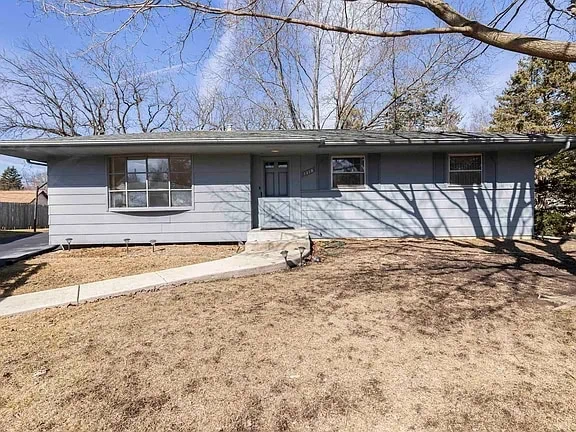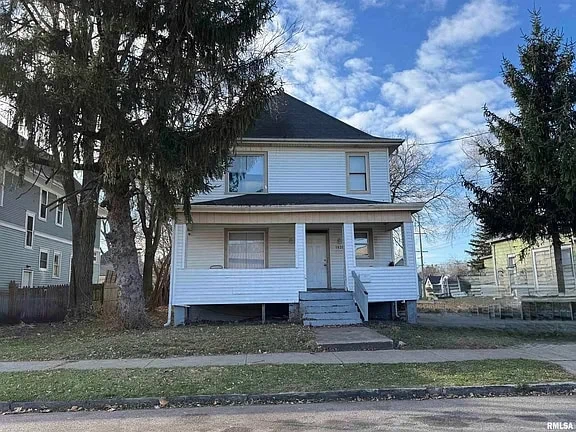

The two-flat is one of the most Chicago buildings there is. Tens of thousands of them line the streets of Albany Park, Pilsen, Chatham, and the Bungalow Belt, and generations of families built wealth by living in one unit and renting the other. Owning one with tenants gets complicated, though, when it comes time to sell.
If you have been searching for a cash home buyer in Chicago because your two-flat has tenants in place and you are not sure how a sale even works, this guide walks through your options, your obligations, and the path most owners find easiest.
Tenant Rights Do Not Disappear When You Sell
In Illinois, a lease survives the sale of the building. The new owner steps into your shoes as landlord and takes the property subject to the existing lease terms. You do not get to end a lease early simply because you want to sell, and a buyer does not get to remove tenants simply because the deed changed hands. Chicago also has strong tenant protections.
The city’s Residential Landlord and Tenant Ordinance governs most rentals, sets rules for notices and security deposits, and carries real penalties for landlords who cut corners. Owner-occupied buildings with six units or fewer are often exempt from parts of the ordinance, but state law still applies. The City of Chicago Department of Housing publishes current requirements for landlords, and reviewing them before a sale protects you from expensive mistakes.
Why Listing a Tenant-Occupied Two-Flat Is Hard
Most retail buyers shopping for a two-flat want to live in one unit. A building with both units occupied shrinks your buyer pool immediately. The buyers who remain still need showings, and showings require proper notice to tenants, coordination around work schedules, and units presented in whatever condition the tenants keep them. A tenant who feels pushed out has little reason to cooperate. Deals fall apart over missed showings, cluttered units, and tense walkthroughs all the time, and every failed contract puts the listing back at square one with a stale days-on-market count.
Financing adds another layer. Lenders scrutinize rent rolls, leases, and deposit records. If your paperwork is thin, or if a tenant pays below market on a handshake arrangement from years ago, an appraisal or underwriting review stalls the whole deal.
Your Three Basic Options
The first option is waiting for the leases to end, not renewing, and listing the building vacant. This gives you access to owner-occupant buyers, but it costs months of time, and an empty two-flat generates zero rent while taxes, insurance, and utilities keep coming due.
The second option is negotiating with your tenants. Some owners offer cash for keys, a payment in exchange for an agreed move-out date. It works when the numbers make sense for both sides, but it requires cooperation, a written agreement, and money out of your pocket before you have sale proceeds in hand.
The third option is selling the building as is with the tenants in place to an investor who wants the rental income. This is the fastest route, and it removes the showings problem entirely. We covered the broader version of this approach in our guide to selling without property showings.
What Happens to Leases and Deposits at Closing
In a tenant-occupied sale, the closing includes a few extra items. Leases transfer to the buyer, and the buyer honors their terms through expiration. Security deposits transfer as well, usually as a credit at closing, so the new owner holds the funds the tenants are owed. Rents get prorated to the day of closing, so each side receives income for the days they own the building. Your attorney handles disclosures required under state law, and Illinois sellers still complete a residential disclosure report for the units. Our summary of Illinois real estate laws for sellers covers those requirements in more depth.
None of this is exotic. Investors buy occupied buildings in Chicago every week. The friction comes from trying to force an occupied building through a process designed for vacant single-family homes.
How a Direct Sale Works With Tenants in Place
When we buy an occupied two-flat, the process stays simple for you and respectful for your tenants. We start with a conversation about the building, the units, the rents, and the lease terms. We schedule one walkthrough at a time convenient for the tenants, not a parade of weekend showings. Within about a day, you receive a written cash offer based on the building’s condition and income.
There is no financing contingency, no appraisal, and no request for you to empty the units. You review how our process works and pick a closing date, whether it is two weeks out or two months out. The tenants keep their leases, and the transition happens without drama.
The Bottom Line for Two-Flat Owners
A tenant-occupied two-flat is sellable. The question is how much time, money, and friction you are willing to absorb along the way. Waiting for vacancy costs months of carrying expenses. Cash-for-keys costs money up front. A direct sale with tenants in place costs neither, and it turns a complicated building into a clean closing.
At Two Rivers Properties, we buy homes in Chicago in every condition, including occupied two-flats with long-term tenants, thin paperwork, or below-market rents. Reach out and tell us about your building, and we will give you a fair, no-obligation cash offer within a day. Two Rivers Properties is your trusted partner for quick, hassle-free home sales in Chicago and the surrounding areas. We buy houses in any condition, offering cash solutions tailored to meet your needs.