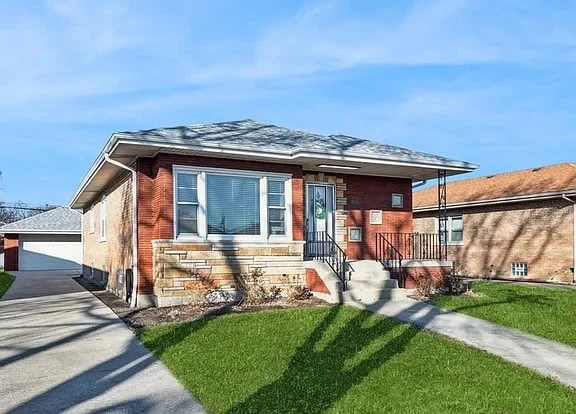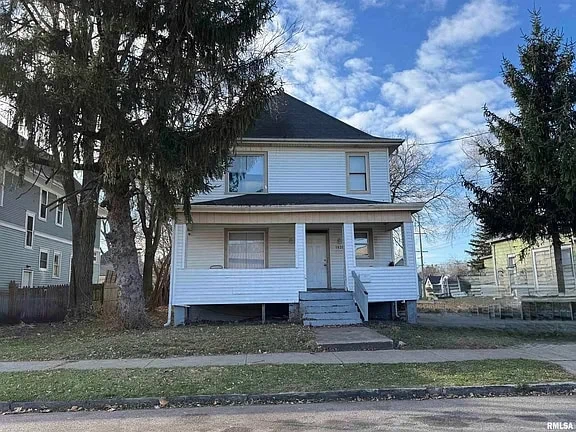
At some point, many Chicago landlords hit a wall. The 2 a.m. furnace calls, the chase for late rent, the rising property taxes, and the tightening city regulations add up until the rental income no longer feels worth the grind. If you have caught yourself thinking about handing the keys to a Chicago cash home buyer and walking away, you are in good company.
Plenty of small landlords across the city, from Albany Park to Chatham, are asking the same question. This post lays out your realistic exit options and what each one costs you in time, money, and stress.
Why Chicago Landlords Burn Out
Being a landlord in this city is a second job with unusual hours. Cook County property taxes climb with every reassessment cycle, and a tax jump wipes out a year of rent increases overnight. The city’s Residential Landlord and Tenant Ordinance sets detailed rules on notices, deposits, and repairs, and honest mistakes carry penalties.
The City of Chicago Department of Housing publishes the current requirements, and keeping up with them is a job in itself. Older buildings, which describe most of Chicago’s rental stock, demand constant maintenance: tuckpointing, porch repairs, boilers, and roofs battered by freeze-thaw winters. Then there are the tenants themselves. Most are fine, and some become the best part of the job. The difficult ones consume months of your life, and an eviction in Cook County is a slow, expensive court process. Stack it all up, and the burnout is rational, not weakness. It is a business signaling its owner to reassess.
Option 1: Hire a Property Manager
A property manager takes the phone calls, the rent collection, and the maintenance coordination off your plate in exchange for a cut of the rent, commonly somewhere around eight to ten percent plus leasing fees. For owners with strong rents and buildings in good repair, this works. For owners with thin margins, the math often fails.
The manager fee, added to taxes, insurance, and repairs, pushes a marginal building into the red. A manager also does not remove your ownership risk. Vacancies, tax hikes, big repairs, and problem tenants remain your problem financially. You have hired relief from the labor, not an exit, and the monthly statements keep arriving with your name on them.
Option 2: Sell With Tenants in Place
You do not have to wait for an empty building to sell. Investors buy occupied rentals in Chicago every week, and leases transfer to the new owner at closing along with security deposits. This route works especially well when the tenants pay reliably, since the income is part of the value. It also works when the tenants are the reason you are leaving.
We wrote a full guide on selling a property with problem tenants for owners in exactly this position. A direct sale with tenants in place skips showings entirely, which matters because tenant-occupied units show poorly and cooperation is never guaranteed.
Option 3: Wait for Vacancy and List on the Market
The traditional route is to stop renewing leases, wait for the units to empty, complete repairs and updates, and list with an agent. This path usually produces the highest gross price, and for a building in strong condition in a hot pocket of the city, it deserves consideration. Be honest about the costs, though. Months of vacancy mean months of taxes, insurance, and utilities with zero income.
Turnover repairs and cosmetic updates on an older building run into the tens of thousands. Agent commissions and closing costs come off the top, and the buyer’s inspector arrives with a long list. Our comparison of investors versus traditional buyers walks through the true net proceeds of each path, which sit closer together than most owners expect.
Run the Numbers on Holding
Before choosing, put your monthly holding cost on paper. Add the monthly share of property taxes and insurance, average maintenance, any mortgage payment, utilities you cover, and a realistic vacancy allowance. For many small Chicago buildings, the total lands somewhere between one and three thousand dollars a month, and deferred maintenance quietly adds more.
Every month you spend deciding, waiting for spring, or hoping a tenant leaves on their own, the building spends your money. A slower exit is not free. It has a price per month, and knowing yours turns a vague feeling into a clear decision.
The Fastest Exit: A Direct Sale
A direct cash sale to us ends your landlord career in weeks. Tell us about the building, the units, and the leases. We walk it once, at a time coordinated respectfully with the tenants, and deliver a written cash offer within about a day. There is no financing contingency, no appraisal, no repair negotiations, and no requirement to empty the units or fix a thing.
Deposits and rents get prorated and transferred at closing, your tenants keep their leases with a new landlord, and you leave with your equity. Pick the closing date, and stop carrying a building you stopped wanting a long time ago.
You Are Allowed to Retire From This
Nothing obligates you to be a landlord forever. The building served its purpose, and there is no prize for holding on through more tax hikes and more turnover. Whether you choose a manager, a listing, or a direct sale, choose deliberately and soon, because indecision is the most expensive option on this list.
If a clean, fast exit sounds right, cash home buyers in Chicago like our team make it simple. Reach out to Two Rivers Properties for a no-obligation offer on your rental property this week. Two Rivers Properties is your trusted partner for quick, hassle-free home sales in Chicago and the surrounding areas. We buy houses in any condition, offering cash solutions tailored to meet your needs.