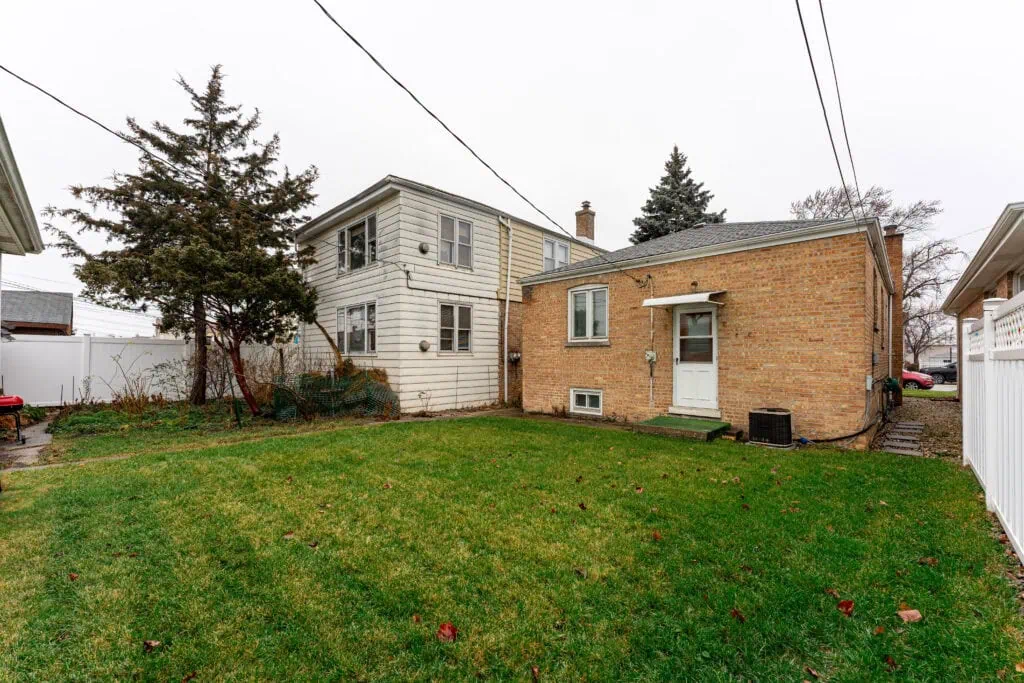
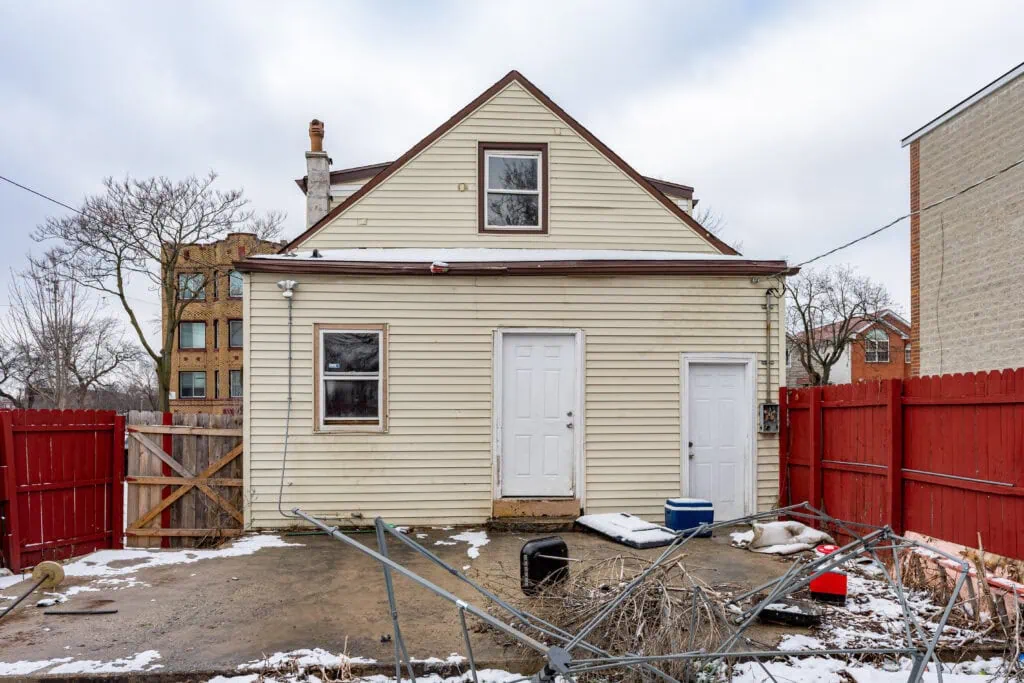
Chicago enforces its building code more aggressively than almost any city in the country, and the housing stock gives inspectors plenty to write up. Much of the city was built before 1940, and aging brick, old porches, outdated wiring, and tired roofs lead to thousands of violations every year.
If you own a property with open violations, or you have already been summoned to building court, selling starts to feel impossible. Owners in this spot search phrases like sell my house fast in Chicago because the repair bills and court dates keep stacking up. Here is the honest picture of your situation and the realistic ways out of it.
How Code Violations Happen in Chicago
Violations start with an inspection. Sometimes a neighbor complains about a sagging porch or an overgrown lot. Sometimes a city inspector notices a problem from the street. Vacant buildings draw extra attention, since the city tracks them closely and requires registration. The Chicago Department of Buildings handles inspections and enforcement, and its inspectors cite everything from missing smoke detectors to structural failures. A single inspection of an older two-flat produces a long violation list more often than owners expect, because decades of deferred maintenance surface all at once.
Once violations are on record, they follow the property. Fines accrue, reinspections get scheduled, and unresolved cases escalate to the city’s law department.
What a Building Court Case Means for You
When violations go unaddressed, the city files a case in the Circuit Court of Cook County, in what everyone calls building court. You receive a summons, and you or your attorney appear before a judge on a recurring schedule. The court expects a repair plan, permits, and steady progress. Miss court dates and the fines multiply, judgments get entered, and in serious cases the court appoints a receiver or moves toward demolition of dangerous structures.
Building court is not a one-time event. Cases drag on for months of status hearings, and every hearing costs you a morning downtown and often attorney fees on top. For an owner without the cash to complete repairs, the cycle feels endless: appear, promise progress, fail to fund the work, repeat.
The Real Cost of Bringing an Older Home Up to Code
Repair estimates on violation properties shock most owners. Porch rebuilds on Chicago two-flats and frame houses often run well into five figures once permits and licensed contractors enter the picture. Electrical service upgrades, tuckpointing on century-old brick, and roof replacement each carry similar price tags. Permits add time, and the city requires licensed trades for most of this work, so there is no cutting costs with a handyman.
Owners who lack the funds face a hard truth. The house needs money to become sellable through traditional channels, and the traditional sale is the only plan they had for raising money. Our guide on selling a house with major repairs needed breaks down this trap in more detail.
Why Traditional Buyers Walk Away
Open violations show up in title searches and municipal searches before closing. A retail buyer’s lender sees them and balks, because no lender wants collateral with recorded city cases and accruing fines. Even cash-paying retail buyers get scared off by the words building court.
Their attorneys advise them to demand the violations be cured before closing, which puts you right back at the repair bills you cannot fund. Listings on violation properties sit for months, attract lowball offers, and fall out of contract at a high rate once buyers complete their due diligence.
Selling As Is With Open Violations Is Legal and Common
Here is the part many owners never hear. Illinois law does not prohibit selling a property with open code violations or an active building court case. You must disclose known defects honestly, and the buyer must take the property with full knowledge of the case. Experienced investors do this regularly.
They buy the property, assume responsibility for the violations, appear in court as the new owner, and fund the repairs themselves. Judges generally welcome a new owner with a real repair budget, since the court’s goal is a safe building, not punishment for its own sake. These are exactly the red flag properties cash buyers handle as a matter of routine.
What the Process Looks Like With a Direct Buyer
Selling a violation property to us follows the same simple path as any other direct sale, with a little extra homework on our side. You tell us about the property and the case, including the docket number if one exists. We review the violations, walk the building once, and make a written cash offer within about a day.
Our title company handles the municipal searches, and the purchase contract addresses the open case so responsibility transfers cleanly. You pick the closing date. After closing, the violations and the court dates belong to us, and you move forward with your proceeds and your mornings back.
Stop Carrying a Problem the City Will Not Let You Ignore
Code violations do not resolve themselves, and building court does not lose interest. Every month of waiting adds fines, hearings, and stress without adding a dollar of value to the property. Selling as is to an experienced Chicago cash home buyer converts an escalating liability into a closed chapter, usually in a matter of weeks.
Reach out to Two Rivers Properties and tell us about your property and your case, and we will give you a fair cash offer with no obligation and no judgment. Two Rivers Properties is your trusted partner for quick, hassle-free home sales in Chicago and the surrounding areas. We buy houses in any condition, offering cash solutions tailored to meet your needs.