Yes, you are allowed to sell a Chicago house with people living in it who no longer have the right to be there. The harder questions are who will buy it, what it is worth in this condition, and what your obligations are while the occupants remain.
At Two Rivers Properties, we buy homes in Chicago with squatters, holdover tenants, and every occupancy problem in between, and this post explains how the situation works under Illinois law and what your options look like.
Squatters vs. Holdover Tenants: The Difference Matters
A holdover tenant is someone who once had a lease and stayed past its end without your agreement. A squatter is someone who never had permission at all, often moving into a vacant property. The distinction matters because it shapes the legal process for removal and the paperwork a buyer wants to see.
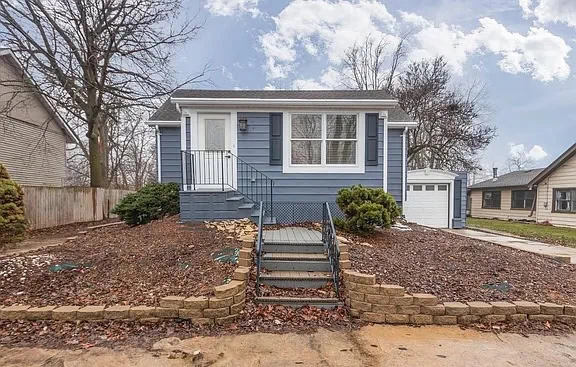
Holdover situations are common with inherited properties, where a relative’s tenant keeps paying, or stops paying, long after the lease expired. Squatter situations cluster around vacant buildings, and Chicago has plenty of those. A bungalow sitting empty in a quiet block draws attention within weeks, and once someone is inside with a mattress and a changed lock, the problem becomes legal rather than practical.
Why Illinois Law Makes Removal Slow
Illinois treats nearly every occupied-dwelling dispute as an eviction matter for the courts. Even a squatter with no lease and no legitimate claim generally gets removed through the court process rather than by the police showing up and clearing the building, unless a crime is actively in progress. The process runs through the Circuit Court of Cook County: proper written notice, a filed eviction case, a court date, a judgment, and finally enforcement of the eviction order by the Cook County Sheriff, the only party authorized to physically remove occupants.
Each stage takes time. Court calls are crowded, occupants request continuances, and the sheriff works through a backlog of orders. Start to finish, a contested Cook County eviction commonly consumes several months, and winter enforcement moves even slower. The Illinois Courts website publishes the governing procedures and standardized forms for these cases.
What Not to Do as the Owner
Illinois law prohibits self-help evictions, and Chicago enforces the prohibition seriously. Changing the locks, shutting off the heat or water, removing doors, or hauling belongings to the curb exposes you to lawsuits and penalties, even when the occupant has no right to be there. It feels deeply unfair, and many owners say so, but the law is the law, and violating it converts a person with no case into a plaintiff with a good one.
Keep paying the property taxes and insurance, document everything in writing, photograph the property’s condition when you have lawful access, and avoid confrontations. If money is owed to you, keep records. Every clean piece of documentation shortens the road ahead, whether you evict, negotiate, or sell.
Your Three Ways Forward
The first path is completing the eviction yourself: hire an attorney, serve notice, file the case, obtain the order, and wait for the sheriff. You end up with a vacant property to sell at full retail, minus months of carrying costs, legal fees, and stress.
The second path is negotiation, often called cash for keys. A payment in exchange for a signed agreement and a firm move-out date resolves many holdover situations faster and more cheaply than court. It stings to pay someone to leave your own property, but the math frequently favors it.
The third path is selling the property as is, occupied, to an investor who takes over the problem. The occupants, the court case, and the timeline all transfer to the buyer at closing.
Selling With Occupants Still Inside
Retail buyers will not touch an occupied problem property, and their lenders will not either, so the market for these houses is investors paying cash. A legitimate investor prices the property on its condition and on the cost and time of resolving the occupancy, then handles the eviction or negotiation after closing with their own attorneys. You disclose the situation honestly, provide whatever history you have, and sign over the property without ever going to court yourself. Our post on what to expect when working with cash home buyers explains how pricing and closing work in these direct sales, and our guide to selling a property with problem tenants covers the closely related lease-holdover scenario.
How We Handle Occupied Properties
When you contact us about an occupied house, we start with the story: who is inside, how they got there, what has been filed, and what has been paid. We often assess the property from the exterior and public records when interior access is unsafe or impossible. You receive a written cash offer within about a day, priced transparently with the occupancy factored in. Review how our process works, pick a closing date, and hand the entire situation to us. After closing, the notices, the court dates, and the sheriff coordination are our responsibility, not yours.
Get Your Life Back From This Property
An occupied problem property drains money and attention every single month, and hoping the occupants leave on their own is not a strategy. Whether you evict first or sell as is, decide and act. If you want the fastest resolution with the least contact and zero court appearances, selling directly is the answer, and owners searching sell my house fast in Chicago in this situation call us for exactly this reason.
Contact Two Rivers Properties for a fair, no-obligation cash offer on your occupied property. Two Rivers Properties is your trusted partner for quick, hassle-free home sales in Chicago and the surrounding areas. We buy houses in any condition, offering cash solutions tailored to meet your needs.