
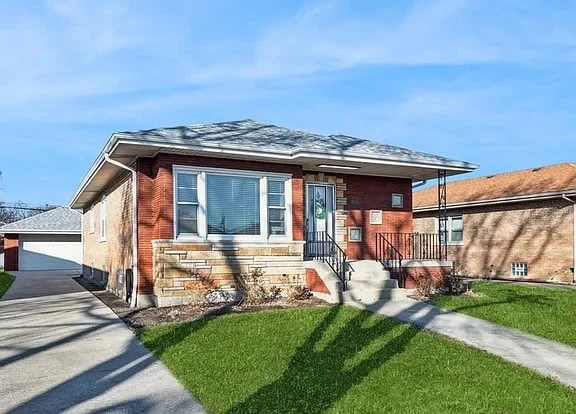
Selling a home in Chicago comes with an important decision. Should you list your property on the MLS with a real estate agent, or should you sell directly to an investor? Each option works well in different situations. The right choice depends on your timeline, the condition of your home, and how much involvement you want in the process. If you are trying to sell my house fast in Chicago, understanding how these two paths compare will help you choose with confidence instead of frustration.
Both options exist for a reason. Traditional listings work well for some sellers. Investor sales solve problems that the MLS process often cannot. Knowing the differences allows you to avoid wasted time and make a move that fits your goals.
How Listing on the MLS Works
Listing on the MLS means working with a real estate agent to market your home to the public. Your property is photographed, priced, and promoted online so buyers and agents can find it. Interested buyers schedule showings, attend open houses, and submit offers.
This process works best when the home is updated, clean, and priced correctly. Buyers using mortgages want properties that pass inspections and appraisals. If everything lines up, the seller may receive strong offers and move toward closing within a few months.
The MLS gives your home maximum exposure. That exposure can lead to competition, especially in desirable neighborhoods. For sellers with time and a move-in-ready home, this approach can produce solid results.
The Hidden Costs of a Traditional Listing
While MLS listings often promise higher prices, the costs add up quickly. Sellers typically pay agent commissions, closing costs, and preparation expenses. These include repairs, cleaning, staging, and sometimes temporary housing during showings.
There is also a time cost. A listing can sit for weeks or months. Deals fall apart during inspections or financing. Price reductions become necessary when buyer interest fades. The final amount you receive is often much lower than the initial list price.
For some sellers, these trade-offs are acceptable. For others, the stress and uncertainty outweigh the potential upside.
What It Means to Sell to an Investor
Selling to an investor skips the MLS entirely. Investors buy homes directly, often with cash, and usually purchase properties as-is. There are no showings, no open houses, and no marketing period.
The process is straightforward. You share details about the property. The investor evaluates condition, location, and repair needs. An offer is made. If you accept, the sale moves forward on an agreed timeline.
Investors are not looking for perfect homes. They expect repairs and factor those costs into their offers. This makes them a fit for properties that struggle to attract traditional buyers.
Speed and Certainty Compared
One of the biggest differences between these two options is speed. A traditional MLS sale often takes 60 to 120 days from listing to closing. That timeline depends on showings, negotiations, inspections, and loan approvals. Any delay can reset the clock.
Investor sales move faster. Many close in days or weeks. There are fewer moving parts. No lender is involved. No appraisal is required. Once terms are agreed on, the deal usually stays on track.
If timing matters, such as during relocation, financial strain, or inherited property situations, speed becomes more valuable than price alone.
How Condition Impacts Your Choice
Home condition plays a major role in deciding which path works best. Updated homes with modern systems and finishes often perform well on the MLS. Buyers feel comfortable paying top dollar when they do not expect repairs.
Homes that need work face challenges. Outdated kitchens, old roofs, plumbing issues, or foundation concerns scare traditional buyers. These problems lead to inspection demands and renegotiation. In some cases, financing fails entirely.
Investors buy homes as-is, regardless of the condition. They expect problems and plan renovations after closing. This removes the pressure from the seller to fix anything before selling.
Control and Flexibility
MLS sales require flexibility from the seller. You must allow showings. You must keep the home presentable. You may need to adjust your schedule around buyer requests. Closing dates often depend on the buyer’s lender, not your preferences.
Investor sales give sellers more control. You choose the closing date. You avoid showings. You do not negotiate repairs. The process fits your schedule rather than forcing you to adapt to someone else’s timeline.
For many sellers, this control reduces stress and makes the transaction easier to manage.
Price Versus Net Proceeds
Traditional listings often show higher prices on paper. But the number that matters is what you keep. After commissions, repairs, credits, and carrying costs, the difference between an MLS sale and an investor sale is often smaller than expected.
Investor offers reflect convenience, speed, and certainty. While the offer may be lower than a retail listing price, there are no surprise deductions later. What you agree to is what you receive at closing.
Comparing net proceeds instead of headline prices gives a more accurate picture of value.
When Listing on the MLS Makes Sense
Listing on the MLS is usually the better choice if your home is in good condition, you have time to wait, and you want to maximize price. It works well when market demand is strong and buyer financing is stable.
If you are not facing deadlines and do not mind managing showings and negotiations, the MLS remains a great option.
When Selling to an Investor Is the Better Fit
Selling to an investor often makes sense when speed is crucial, the home requires major repairs, or uncertainty has already caused issues. It is also helpful for sellers dealing with probate, divorce, foreclosure risk, or tenant-occupied properties.
Investors provide solutions when traditional methods stall. They focus on outcomes rather than appearances.
Making the Right Decision for Your Situation
There is no universal right answer. The best choice depends on your goals. Ask yourself how quickly you need to sell, what level of work the home requires, and how much stress you are willing to endure.
If the MLS process feels overwhelming or has already failed, a different approach may be the answer. If your home is market-ready and time is on your side, listing traditionally could still work.
A Clear Path Forward for Chicago Homeowners
Selling a home in Chicago looks different depending on where you live and what condition the property is in. Homes in areas like South Shore, Austin, Humboldt Park, and Englewood often face different challenges than properties in Lincoln Park or Lakeview. Older housing stock, deferred maintenance, and changing buyer demand can make the MLS process unpredictable in many neighborhoods. Knowing your options helps you avoid months of waiting and repeated price cuts.
At Two Rivers Properties, we work with homeowners across Chicago and nearby areas like Cicero, Oak Park, Berwyn, and Blue Island who need a faster, simpler way to sell. Many of the people we help have already tried listing their home or were told repairs were required before selling. We step in when those paths stop working.
One recent seller from South Chicago shared, I had a property that I just didn’t want to deal with anymore. It needed work, and I was ready to move on. These guys gave me a fair offer, worked around my schedule, and handled everything. The closing happened faster than I thought it would, and they were professional the whole time.”
If you are looking to sell your house fast in Chicago and want a clear plan instead of uncertainty, we provide fair cash offers, buy homes in any condition, and work on your timeline so you can move forward with confidence.